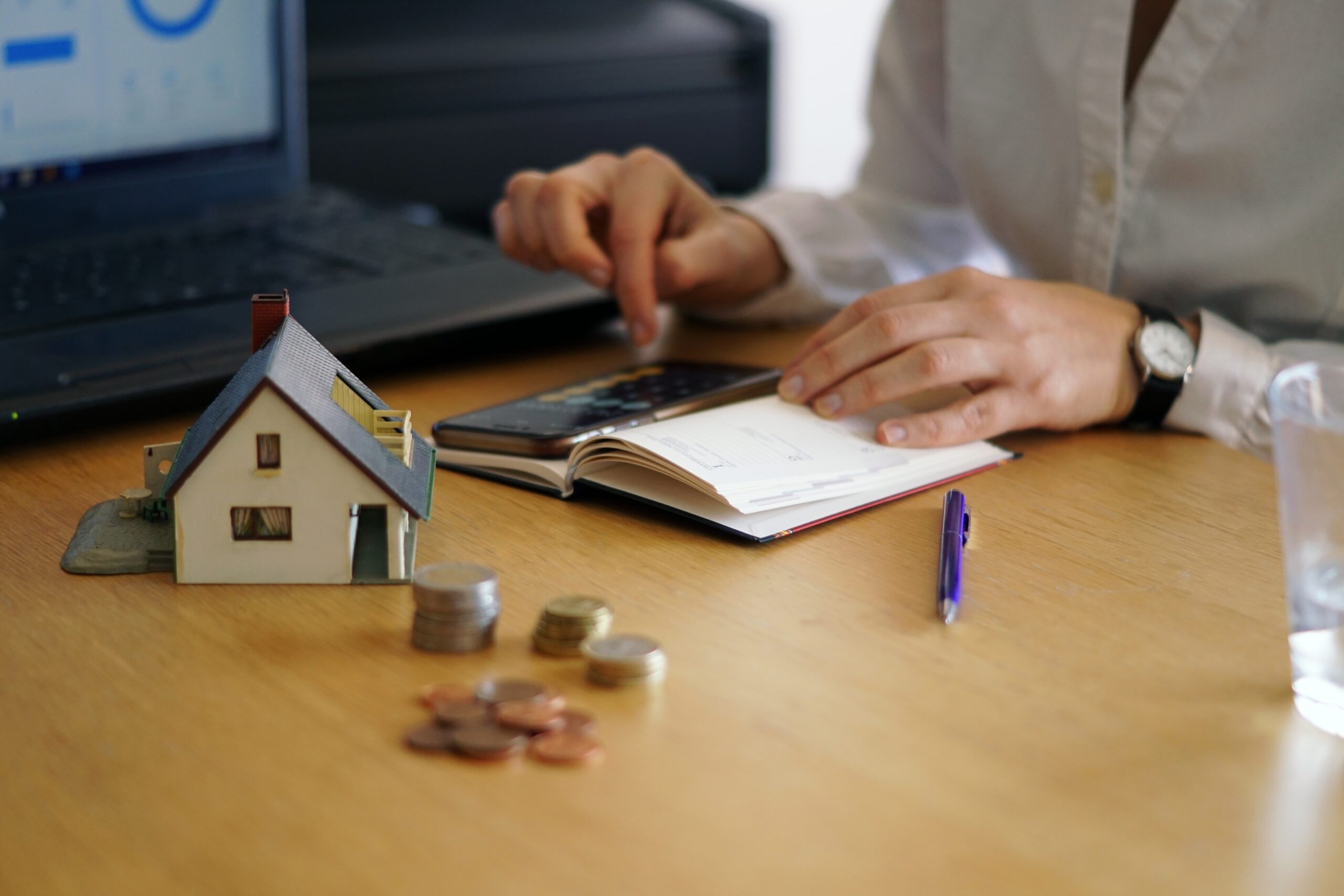
Buying a home is an exciting milestone, but the Cost of Homeownership does not end when you make your down payment. As a new homeowner, it is essential to plan for the ongoing and unexpected expenses associated with owning a property. Keeping some money in savings after closing can give you valuable financial flexibility when expenses arise.
Why You Should Keep a Financial Cushion
It may seem like a good idea to put as much money as possible toward your down payment, especially if you have saved enough for 20% or more. However, using all your available cash could leave you unprepared for unexpected expenses.
A financial cushion can help you handle both planned and surprise costs without putting additional pressure on your budget. From home repairs to rising property taxes, having reserve funds can make homeownership more manageable.
Property Taxes Can Increase
Property taxes are an important ongoing cost of owning a home. As property values increase over time, your property assessment may also rise, which can result in higher property taxes.
Although a higher tax bill can affect your monthly expenses, an increase in your home’s value can also be a positive sign. Planning for potential changes in property taxes can help you avoid surprises in your household budget.
Repairs and Maintenance Are Part of Homeownership
When you rent, you can generally contact a property manager when something breaks. As a homeowner, repairs and maintenance become your responsibility.
A leaky faucet, broken garage door, malfunctioning air conditioner, or other unexpected issue can require immediate attention and money. Setting aside savings for these situations can make unexpected repairs less stressful.
Don’t Forget Homeowners Insurance
Homeowners insurance is another cost to consider. Since your home is one of the largest investments you may make, insurance protects if something happens to the property. It may also be required by your lender.
Insurance premiums can vary and may be higher in certain high-risk areas. Understanding this expense before buying can help you create a more realistic estimate of your total housing costs.
Home Improvements and Yard Maintenance Add Up
After moving in, you may want to make improvements that personalize the property, such as refinishing floors, updating a bathroom, or making other upgrades. These projects can become expensive, especially when the scope expands beyond the original plan.
Yard maintenance is another consideration. Whether you hire a service or handle the work yourself, lawn equipment, tools, seasonal maintenance, and outdoor furnishings can add to your expenses.
Consider Your Financing Options
If you do not have sufficient reserve funds after closing, discuss financing options with your lender that may allow you to put down less moneywhile keeping more cash available for future expenses. Private mortgage insurance may allow some borrowers to purchase with less than 20% down, depending on their loan program and qualifications.
The key is to look beyond the down payment and consider the full Cost of Homeownership, including monthly payments, property taxes, insurance, maintenance, and unexpected repairs. By planning for both expected and unexpected expenses, you can enter your new home with greater financial confidence.
Ready to Plan for the True Cost of Homeownership?
Whether you’re buying your first home, moving to a new property, or exploring your financing options, we can help you understand your down payment, monthly costs, and overall homeownership expenses. Call 201-745-3426 or email shaleenmahtani@gmail.com to discuss your goals and find the mortgage solution that’s right for you.