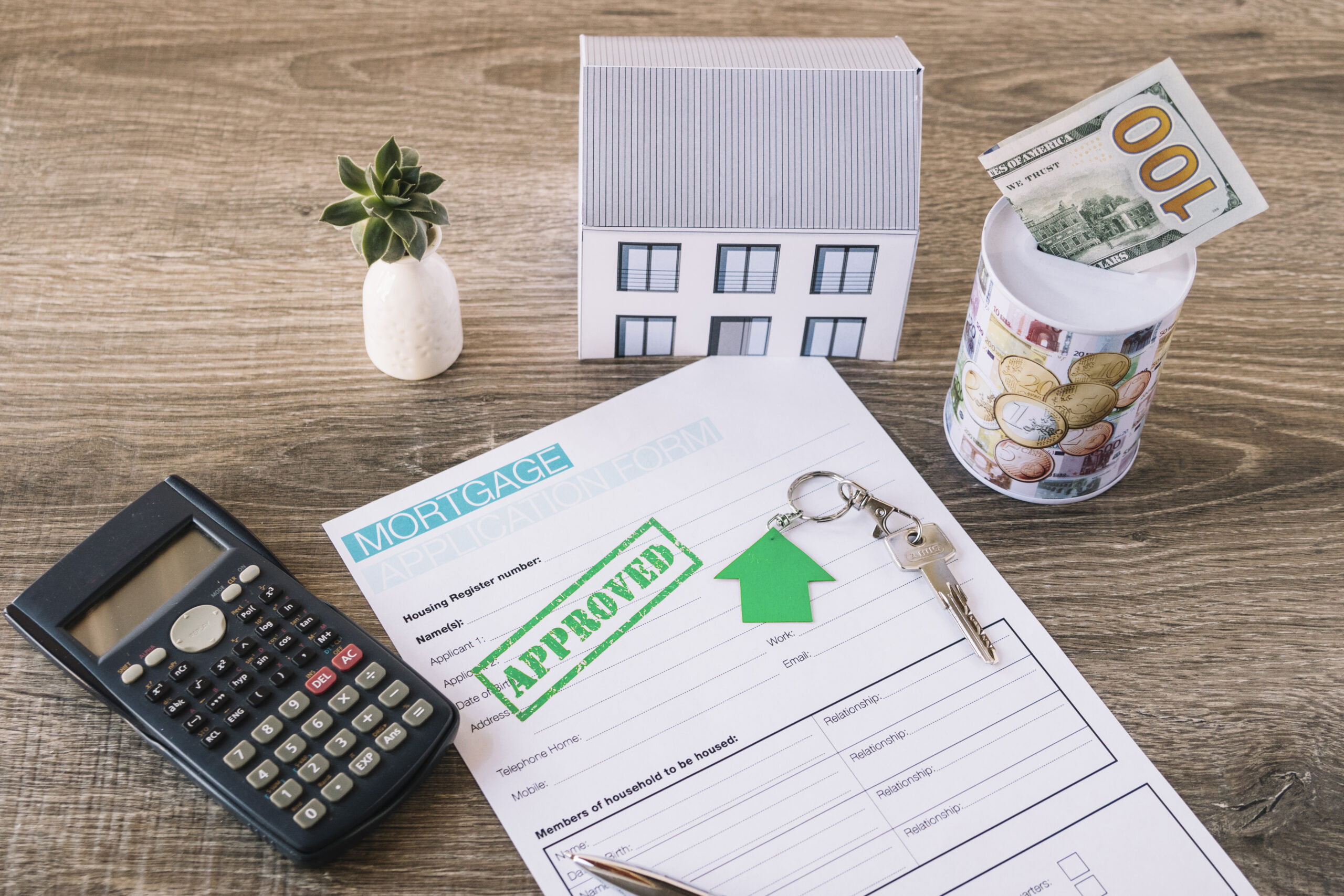
Your credit score is one of the key factors lenders consider when you apply for a mortgage. It can affect your loan eligibility, interest rate, down payment requirements, and overall borrowing costs. Understanding the credit score for mortgage requirements can help you prepare financially before you start shopping for a home.
What Credit Score Do You Need for a Mortgage?
There is no single credit score required for every mortgage. Different loan programs have different guidelines, and lenders may also consider your income, debt, employment history, down payment, and overall financial profile.
Some conventional mortgage programs may accept borrowers with credit scores around 620, while government-backed loans can have different minimum requirements. However, meeting a minimum score does not automatically guarantee approval. A stronger credit profile may give you access to more mortgage options and potentially better loan terms.
How Your Credit Score Affects Your Mortgage
Your credit score helps lenders assess how you have managed credit in the past. A higher score generally indicates a lower perceived credit risk, while a lower score may make lenders more cautious.
Your score can influence the interest rate offered on your mortgage. Even a small difference in your interest rate can affect your monthly payment and the total amount of interest you pay over the life of the loan.
Because of this, improving your credit before applying for a mortgage may help you qualify for more favorable financing terms.
Credit Score Requirements by Loan Type
Mortgage requirements vary depending on the type of loan you choose. Conventional loans often have stricter credit requirements than some government-backed programs.
FHA loans may allow borrowers with lower credit scores to qualify under certain circumstances, while VA and USDA loans have their own eligibility and lender requirements. Keep in mind that lenders can apply additional requirements beyond the basic program guidelines.
Before applying, ask your lender which credit score requirements apply to the specific mortgage program you are considering.
How to Improve Your Credit Before Buying a Home
If your credit score is lower than you would like, taking steps to improve it before applying for a mortgage can be beneficial. Start by reviewing your credit reports and checking for inaccurate information.
Pay your bills on time and try to reduce outstanding credit card balances. Avoid applying for several new credit accounts in a short period, as multiple credit inquiries may affect your credit profile.
It is also important to avoid taking on unnecessary debt while preparing to purchase a home. Giving yourself several months to improve your finances may put you in a stronger position when you apply for a mortgage.
Does a Higher Credit Score Mean a Better Mortgage?
A higher credit score can make it easier to qualify for certain mortgage options and may help you receive more competitive interest rates. However, your credit score is only one part of the mortgage approval process.
Lenders typically review your debt-to-income ratio, income, employment, assets, down payment, and other financial information. Two borrowers with similar credit scores may receive different loan terms because their overall financial situations are different.
Check Your Credit Before Applying
Before submitting a mortgage application, review your credit profile and understand where you stand. Knowing your credit score for mortgage eligibility can help you identify potential issues and determine whether you may benefit from improving your credit first.
If you are unsure which mortgage option fits your financial situation, speaking with a qualified mortgage professional can help you understand the available programs, credit requirements, and potential loan terms. Taking time to prepare can make the home-buying process more informed and manageable.
Ready to Explore Your Mortgage Options?
Your credit score is an important part of the home-buying process, but it is not the only factor lenders consider. If you have questions about your mortgage options or want to understand how your credit profile may affect your home financing, contact Shaleen Mahtani at 201-745-3426 or shaleenmahtani@gmail.com. Lending services are available in all 50 states.